

Rafting at Cisadane is one of the most sought-after adventure activities by nature enthusiasts visiting Jakarta, Indonesia. As a destination of whitewater rafting near Jakarta, combined with several other factors such as less crowded traffic, cool climate, good facilities, and availability of nearby attractions, makes it a must-do activity for nature lovers. As a tour operator that provides rafting services in the Cisadane River, here we summarize everything you need to know about rafting at Cisadane.
About Cisadane River
Basic Information
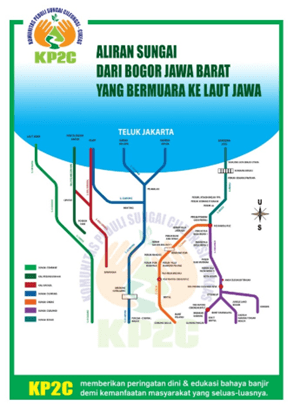
Cisadane River’s water source is from water springs around Mount Kendeng. The Cisadane River upstream is located at Gunung Pangrango and it forms some creeks along the western part of Bogor Regency. The river forms an embouchure around Tanjung Burung and ends in the Java Sea. It stretches for 126 kilometers, passing through 44 sub-districts across five regions: Bogor Regency, Bogor City, Tangerang Regency, Tangerang City, and South Tangerang.
History of Cisadane River
The river was originally called “Sadane”, meaning royal palace in Sanskrit. Since the river flows through the Pakuan area in Bogor which is believed to be the capital city of Pajajaran (the famous ancient kingdom in West Java). Later on, the river is called Cisadane. The addition of “Ci” comes from Sunda language for water or river. In conclusion, “Cisadane” translates to the river that flows through the royal palace.
The downstream of the Cisadane River is wide enough to accommodate small ships, therefore becoming an important trading path, especially for Chinese descendant people. Therefore, a port named Tang Lang was built up on the riverbank amid the 16th century. Its other name was Tamgaram (as stated by Tome Pires in his book: “Suma Oriental”). Later on, people favored Batavia more and therefore Tamgaram was less developed. The area is currently known as Tangerang.
Cisadane River Utilization
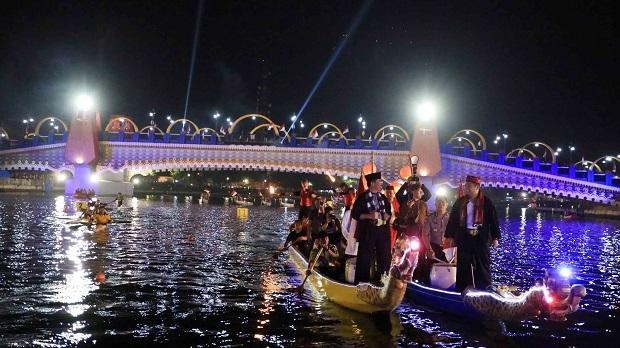
Cisadane River provides great benefits for the community, especially in terms of clean water supply, irrigation, flood prevention, sports, and entertainment. The Dutch East Indies were the ones who initiated clean water treatment in the 1930s. Since 1995, this river has also been used as a venue for a local festival called Cisadane Festival.
White Water Rafting at Cisadane River
Rafting Starting Point
For those who are looking for a thrilling water adventure near Jakarta, rafting at Cisadane can be your best choice. Terantara offers Cisadane River rafting package with a starting point located at Muara Jaya, Caringin Subdistrict, Bogor Regency. It is accessible within 1 to 1.5 hours by car from central Jakarta via the Jagorawi toll road. If you are from Bandung, the starting point can be reached within 3 to 3.5 hours of driving via Purbaleunyi toll road.
The Rapids at Cisadane River
Whitewater rafting demands both considerable stamina and a thorough understanding of river dynamics. Since rivers differ in difficulty, it’s crucial to assess the level of challenge you’ll face when planning a rafting trip. The river is generally classified into six classes. The higher the class, the more difficult and dangerous the rapids will be.
Cisadane river is classified between class II – IV, depending on the river part. Some famous rapids (or called “Jeram” in Indonesian) are Jeram Batu Gajah, Jeram Batu Kuda, Jeram Batu Naga, Jeram Batu Kucing, and Jeram Batu Belah. The area we choose, however, ranges from class II-III, making it a suitable rafting experience for families with young children, corporate employees, and beginners. The rafting distance is about 11 kilometers and can be completed within 2 hours.
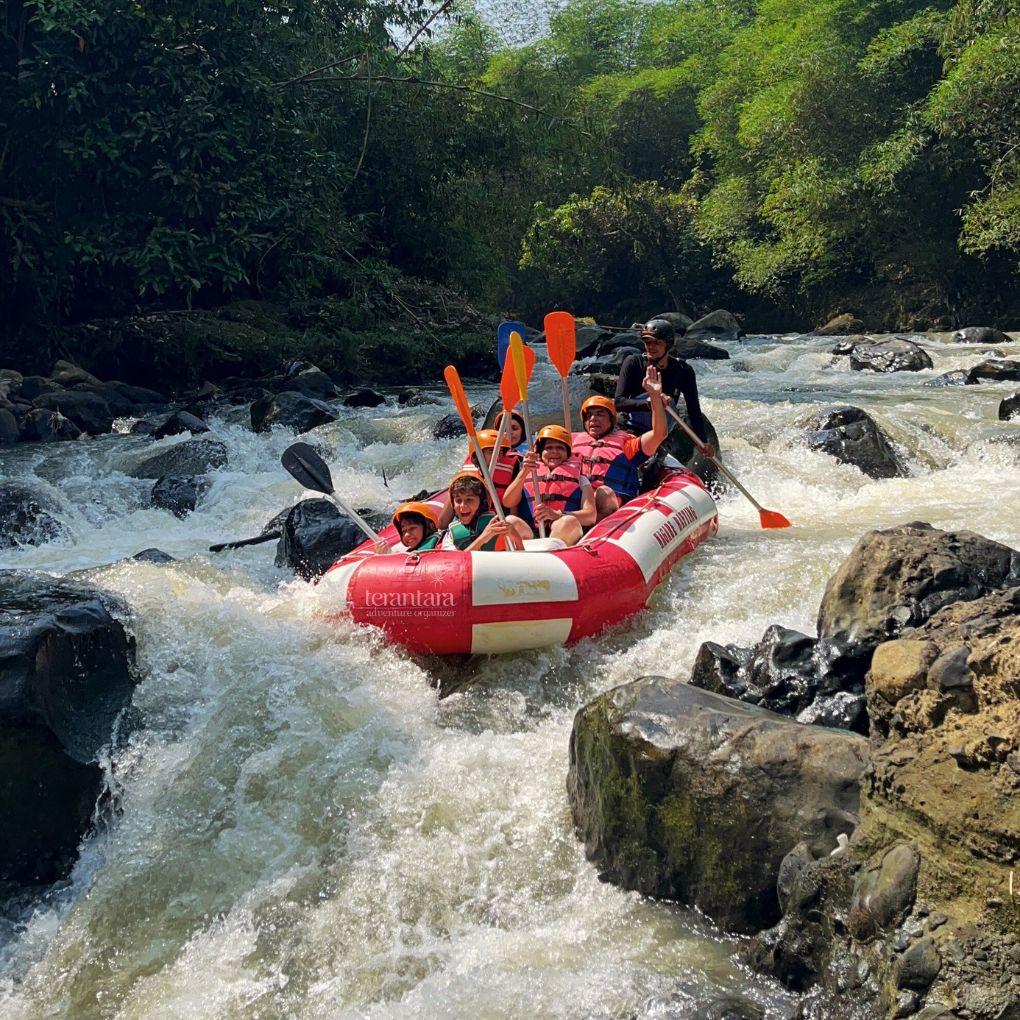
For your reference, Class II rapids feature wide and clear channels, making them relatively easy to navigate. While experienced rafters typically handle these rapids without assistance, beginners might find it helpful to receive guidance on paddling and maneuvering to learn proper techniques. In contrast, Class III rapids offer moderate challenges, featuring irregular waves and fast currents. These rapids require precise maneuvers and good control of the raft, as they often include large waves and potential hazards like strainers. For this level, having a guide is usually beneficial to help manage the river’s complexities.
Rafting Equipments
I. Main Equipments
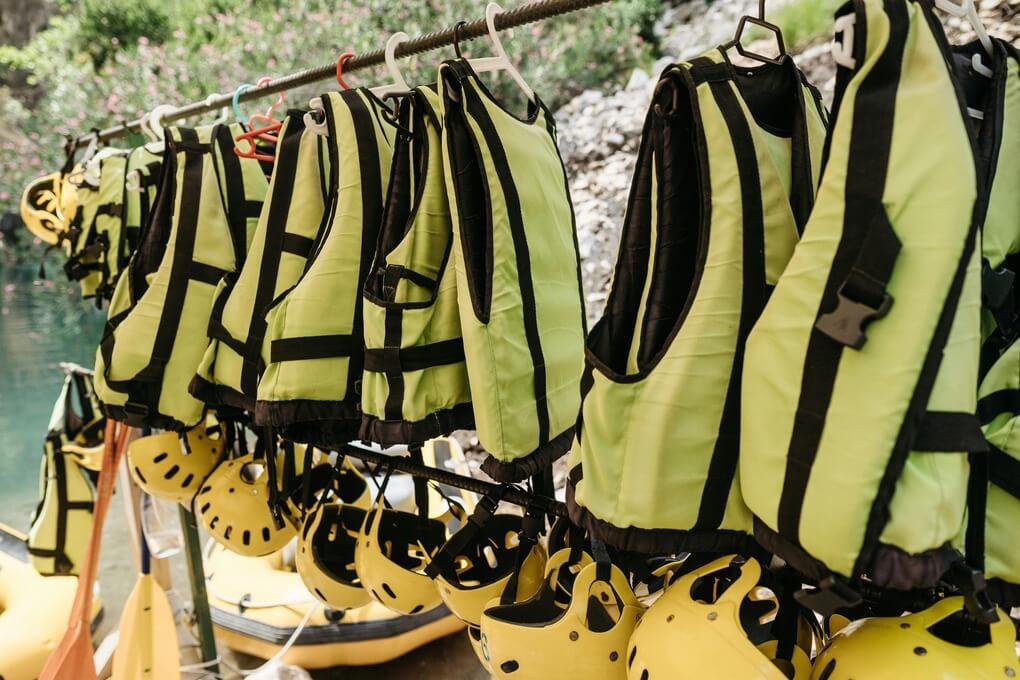
Before embarking on a rafting adventure, it’s essential to prepare various pieces of equipment, categorized into main and supporting equipments. The main equipments typically provided by the organizer. It includes crucial items like a rubber boat, life jacket, and helmet. Each of these plays a vital role in ensuring safety and a successful rafting activity. While supporting equipments are usually prepared by each participant, tailored to their personal needs.
1. The Boat (Raft) & Oars
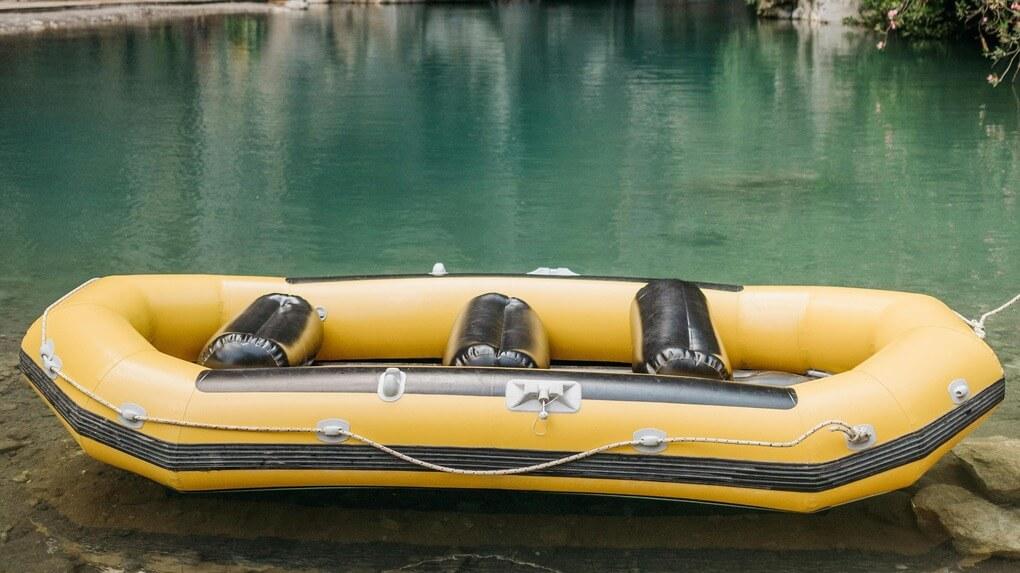
A rubber boat is the primary tool for rafting and must be durable, leak-proof, and capable of carrying the appropriate number of participants. It’s typically equipped with ropes and oars to steer the boat effectively.
2. Life Vests
Another critical safety item, the life vest, is worn by every participant to keep them afloat and prevent drowning. It’s important that the life vest fits well and is properly secured.
3. Helmets
Lastly, helmets are mandatory to protect participants’ heads from potential collisions with rocks or other objects in the river. A helmet must be sturdy, comfortable, and secure to provide effective protection.
II. Supporting Equipments
1. Rafting Clothes
Bring sportswear that accommodates flexible movements. It is preferable to wear long sleeves over short sleeves to protect your skin from debris, possible abrasion, and obviously, the sun. Ensure that your clothes are made from polyester fabric as it is light and dries fast. Avoid cotton and denim as both will retain much water thus becoming heavy and restricting your moves. Moreover, wet cotton and denim are harder to be dried thus will make you lose a lot of body heat.
2. Suitable Footwear
You can wear tennis shoes, running shoes, or any lighter-weight shoes with laces, or you can use light hiking sandals.
3. Water-resistant Sunscreen
Sunny weather in tropical climates might cause you sunburn. Apply sunscreen generously to protect your skin. Choose water-resistant sunscreen with a minimum SPF of 30.
4. Glasses Strap
The rapids are unpredictable. You might, at some point, fall from the boat, get splashed by water, and accidentally lose your eyeglasses. There’s nothing worse than losing your glasses in the middle of an adventure. Bring a glasses strap to secure your spectacles in place.
5. Plastic Bag for Wet Clothes, Basic Toiletries, and Dry Clothes
You will get wet after rafting and will need to change your clothes. Prepare lightweight clothes from natural fabric such as cotton or rayon. Indonesia’s tropical climate will surely make you sweat profusely.
6. Personal Medication
If you have a special condition that requires specific medications, be sure to bring them with you.
As you wrap up your adventure on the Cisadane River, the thrill of navigating its rapids will undoubtedly leave you with unforgettable memories. At Terantara, we are passionate about bringing you closer to nature through exhilarating experiences like rafting. With safety as our top priority and a commitment to making every trip both exciting and accessible, we invite you to discover the beauty and challenges of the Cisadane River with us. Whether you’re a seasoned rafter or a first-timer, our carefully curated packages ensure that your journey will be both adventurous and rewarding. Let us, Terantara, arrange your rafting trip and let the Cisadane River be the backdrop for your next great adventure.
0 Comments