

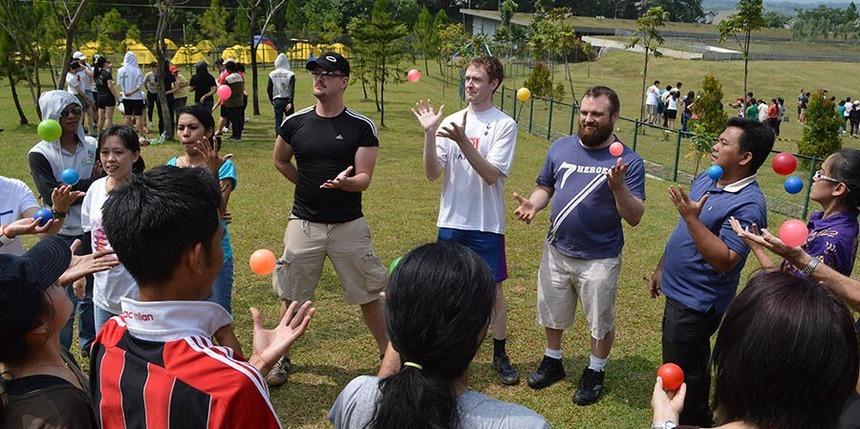
What is a Team Building Activity
Team building activity is an event designed to improve interpersonal relationships, develop effective communication, and enhance collaboration among group or team members. Team building is often used in corporate settings but can also be applied in other contexts, such as sports teams, educational institutions, and community groups.
The Purpose of Team Building Activity
As the group cohesion and sense of camaraderie are strengthening among team members, it is expected that the group will be working in harmony and finally be able to achieve the company’s goal effectively and efficiently.
The Perfect Time to Conduct Team Building Activity
The ideal time to conduct corporate team building activities depends on various factors, including the goals of the team building, the nature of the organization, and the preferences of the team members. However, here are some common scenarios when team building activities are often considered beneficial:
On New Project Launching
Launching a new project or starting a new initiative is an opportune time for team building. It helps team members get to know each other, understand their roles, and establish effective communication from the outset.
After Significant Changes or Challenges
Team building can be particularly valuable after major changes within the organization, such as restructuring, mergers, or leadership changes. It provides an opportunity to address any concerns, build trust, and align the team toward common goals.
Periodically Throughout the Year
Regular, ongoing team building activities can be incorporated into the company culture. These activities can be scheduled quarterly or semi-annually to maintain and strengthen team bonds, even during times when there are no immediate challenges.
Following a Success or Milestone
Celebrating achievements and milestones is an excellent occasion for team building. It reinforces a positive team culture and can serve as a reward for hard work and dedication.
During Offsite Retreats or Conferences
Team building can be integrated into offsite retreats or conferences. These events offer a change of environment and a focused opportunity for team members to engage in activities that promote collaboration and camaraderie.
As Part of Employee Training Programs
If the organization is conducting training programs, incorporating team building activities can enhance the overall learning experience and foster better relationships among participants.
To Address Specific Team Issues
If there are known issues within the team, such as communication breakdowns, lack of trust, or conflicts, targeted team building activities can be used to address and resolve these issues.
It’s important to note that team building is not a one-size-fits-all solution. The timing and nature of the activities should align with the specific needs and context of the team. Additionally, team building should be seen as an ongoing process rather than a one-time event for sustained positive impact.
Team Building Activity Structure
In order to develop interpersonal relationships, strengthen trust, and improve communication among members, there are several forms of team building activity.
Icebreakers
Short, introductory activities to help team members get to know each other better.
Problem-Solving Challenges
Activities that require the team to work together to overcome obstacles and solve complex problems.
Trust-Building Exercises
Activities that promote trust and encourage team members to rely on one another.
Communication Games
Exercises designed to improve verbal and non-verbal communication within the team.
Outdoor Adventure Activities
Physical challenges and adventures that require teamwork and cooperation.
Role-Playing and Simulation
Activities that simulate real-world scenarios, allow team members to practice problem-solving and decision-making skills.
Workshops and Seminars
Educational sessions focused on team dynamics, communication skills, and leadership development.
Team Retreats
Longer events held outside the regular work environment, providing an opportunity for team members to bond in a more relaxed setting.
What to Consider in Arranging Team Building Activity
Effective team building activities should be carefully chosen based on the specific goals and needs of the team. They should be enjoyable, inclusive, and encourage active participation to achieve the desired outcomes.
How to Arrange Team Building Activity
Organizing a successful team building activity requires careful planning and consideration. Here are some steps to help you arrange a team building activity:
Define Objectives
Clearly outline the goals and objectives of the team building activity. Determine what specific outcomes you hope to achieve, whether it’s improving communication, fostering collaboration, or building trust.
Understand Your Team
Consider the preferences, interests, and personalities of your team members. Choose activities that align with their preferences to ensure engagement and participation.
Budget Planning
Determine the budget available for the team building activity. This will influence the type of activities you can organize, whether it’s an in-house workshop, an outdoor adventure, or a facilitated offsite retreat.
Choose Appropriate Activities
Select activities that match your team’s size, physical capabilities, and preferences. Consider a mix of icebreakers, problem-solving activities, and trust-building exercises to keep things interesting.
Consider Team Dynamics
Assess the current dynamics within the team. If there are specific challenges or issues, tailor the activities to address those areas. For example, if communication is an issue, focus on communication-building exercises.
Plan the Logistics
Determine the date, time, and location for the team building activity. Ensure that the logistics, including transportation, venue, and necessary equipment, are well-organized to avoid any disruptions.
Communicate Clearly
Provide clear communication to the team about the purpose, schedule, and expectations for the team building activity. Encourage participation and address any concerns or questions.
Facilitator or Team Leader
Consider whether an external facilitator or an internal team leader will lead the activities. An experienced facilitator can bring expertise in guiding the team through the activities and debriefing sessions.
Debriefing Session
Schedule time for a debriefing session after the team building activities. Allow team members to share their experiences, insights, and takeaways. Discuss how the lessons learned can be applied to the workplace.
Feedback and Evaluation
Gather feedback from participants to assess the success of the team building activity. Use this feedback to improve future events and tailor activities to better suit the team’s needs.
Follow-Up
Continue to build on the momentum gained from the team building activity. Implement strategies to reinforce the positive changes in team dynamics and maintain the connections formed during the activity.
Remember that team building is an ongoing process, and a single activity may not bring about long-term change. Consistency and a commitment to ongoing improvement are key factors in building and maintaining a strong, cohesive team.
Terantara as Corporate Team Building Organizer
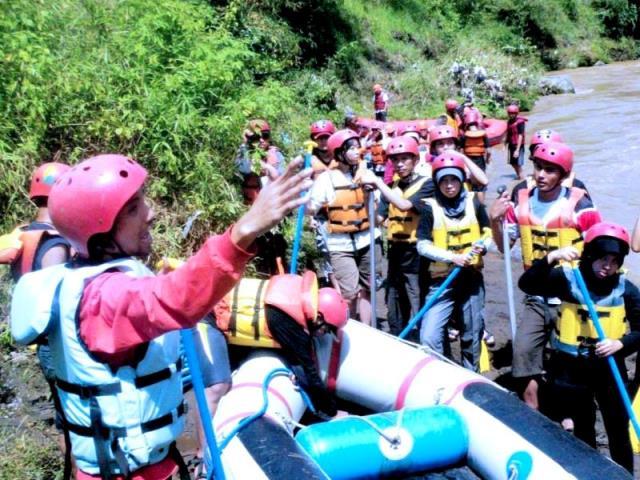
(In Frame: Dani from Terantara, Giving Safety Briefing Prior to Rafting)
Some people chose to arrange team building events by themselves. But for corporate, it might be a little more complicated. As there are more people to be managed and specific objectives to be met. There are several benefits to having a team building activity facilitator, in this case, Terantara, instead of organizing the activity by the internal team.
Expertise
Terantara, as a leading team building facilitator, brings a wealth of expertise to the table. Our team consists of seasoned professionals who specialize in designing and leading tailored team building activities. We will ensure that the activity is meticulously planned and executed to achieve the desired outcomes effectively.
Objective Perspective
When you engage with a third-party facilitator, you will benefit from their impartial viewpoint. Facilitator are not influenced by pre-existing relationships within your team, therefore providing neutrality and focus solely on achieving the objectives of the team building exercise. This objective perspective fosters an environment conducive to open communication and collaboration among team members.
Customization
We take pride in crafting bespoke team building experiences that align with your team’s unique needs and goals. We work closely with you to understand your team’s dynamics, challenges, and organizational culture. Leveraging this insight, Terantara designs a customized program that addresses specific areas for development and fosters team cohesion and effectiveness.
Time and Resource Efficiency
By partnering with Terantara as your team building facilitator, you save valuable time and resources that would otherwise be spent on internal planning and coordination. Terantara handles all aspects of the process, from initial consultation to activity execution, allowing you to focus on your core responsibilities with confidence. Our efficient approach ensures that your team receives high-quality, results-driven team building experiences without the hassle of managing it internally.
Check our portfolios and reach out to us for more information.
0 Comments